Leave a Comment
Your email address will not be published. Required fields are marked *

Introduction
Research integrity means conducting research with honesty, clarity, accountability, and ethical responsibility. It encompasses principles like integrity in data gathering and presentation, appropriate attribution of authorship, consideration for research subjects, and adherence to ethical standards (National Academies of Sciences, Engineering, & Medicine [NASEM], 2017). Research integrity sustains public trust in science and ensures that Iranian scientific output can be relied on by policymakers, institutions, and the international research community. In the past few decades, Iran has witnessed significant advancement in scientific publications and research productivity. Nonetheless, this swift growth has created issues concerning research ethics and integrity. Publication demands, restricted resources, plagiarism, authorship conflicts, and insufficient ethics training all pose real challenges to maintaining research integrity.
Publication Pressure and Academic Competition
A major challenge for Iranian researchers is the demand to produce scientific publications. Publication records often influence academic promotions, faculty assessments, funding prospects, and the completion of graduate degrees. As a result, scholars might emphasize the number of publications over their scientific merit (Fanelli, 2009). This competitive landscape has led to dubious research practices, such as duplicate publication, "salami slicing" (submitting multiple papers from one dataset), and sending manuscripts to predatory journals. Even though these behaviors may not always amount to scientific fraud, they diminish the quality of research and squander scientific resources (COPE, 2021). Early-career researchers and graduate students are especially susceptible as their professional progression frequently relies on fulfilling publication criteria.
Plagiarism and Academic Misconduct
Plagiarism remains one of the most frequently reported forms of research misconduct at Iranian higher education institutions.It consists of displaying someone else's thoughts, expressions, or discoveries without proper recognition. Despite the adoption of plagiarism-detection software and the formation of ethics committees in numerous Iranian universities, plagiarism persists due to inadequate training in academic writing, a limited grasp of citation methods, and institutional demands for publication (Masic, 2012). A growing worry is contract cheating, where students or researchers acquire dissertations or journal articles from commercial writing companies. These actions compromise academic integrity and breach essential values of honesty and responsibility. Universities have gradually strengthened their disciplinary procedures, though consistent application across institutions is still needed.
Data Fabrication and Falsification
Data fabrication and falsification are among the most serious violations of research integrity. Fabrication involves inventing data that were never collected, whereas falsification refers to manipulating research data or experimental procedures to achieve desired outcomes (NASEM, 2017).Confirmed cases appear relatively rare, but their consequences can be severe — inaccurate findings may influence future research, clinical practice, and public policy. The causes of data manipulation often include intense competition for funding, publication pressure, and inadequate research supervision. Establishing transparent research procedures, improving mentorship, and encouraging data sharing can reduce opportunities for misconduct.
Authorship Disputes
Authorship disputes are commonly reported within Iranian academic institutions. International guidelines recommend that authors should make substantial intellectual contributions to study design, data analysis, manuscript preparation, and final approval of published work (International Committee of Medical Journal Editors [\[ICMJE\], 2023). However, honorary authorship, gift authorship, and exclusion of deserving contributors continue to occur. Junior researchers may feel obligated to include senior faculty members as co-authors despite limited contributions, while students sometimes receive insufficient recognition for their work. These practices reduce fairness, discourage collaboration, and create ethical conflicts within research teams. Clear authorship agreements established before beginning research projects can help prevent such disputes.
Ethical Review and Protection of Human Participants
Research involving human participants requires ethical review to ensure participant safety, informed consent, confidentiality, and respect for individual rights. Iranian universities have established Institutional Review Boards (IRBs) and ethics committees responsible for reviewing research proposals. However, differences in institutional resources and oversight may lead to inconsistent implementation of ethical standards. In some cases, ethical approval is treated as a one-time administrative requirement rather than an ongoing ethical responsibility throughout the research process. Strengthening ethics committee training, monitoring approved projects, and improving researchers' understanding of ethical principles would enhance participant protection and research quality.
International Sanctions and Resource Constraints
Iranian researchers also face challenges associated with international economic sanctions. Restrictions affecting laboratory equipment, scientific software, research funding, and access to international databases have created barriers to conducting high-quality research. Limited opportunities for international collaboration and publication may increase pressure on researchers to produce results despite resource shortages. These external constraints do not justify unethical conduct, but they create difficult working conditions that may indirectly contribute to research integrity challenges. Despite these limitations, many Iranian researchers continue to make important scientific contributions through innovation and collaboration.
Promoting a Culture of Research Integrity
Strengthening research integrity requires more than preventing misconduct; it requires developing an institutional culture that values ethical behavior. Universities should integrate mandatory research ethics education into undergraduate and postgraduate curricula. Practical training in responsible authorship, data management, conflict of interest, and publication ethics should accompany theoretical instruction. Furthermore, research institutions should evaluate researchers based on the quality, transparency, and societal impact of their work rather than solely on publication numbers(Roje et al., 2023).Policies that encourage open science, transparency, and responsible supervision can further strengthen scientific integrity.
Conclusion
Research integrity is fundamental to producing reliable, credible, and socially beneficial scientific knowledge. Although Iran has made remarkable progress in scientific productivity, practical challenges — from publication pressure and plagiarism to authorship disputes and resource constraints — continue to affect the research environment.Addressing these challenges requires comprehensive ethics education, transparent institutional policies, effective oversight, and a research culture that emphasizes quality, honesty, and accountability. By strengthening research integrity, Iranian universities can build the credibility needed to expand international collaboration and ensure their scientific contributions are trusted and used.
References
Committee on Publication Ethics. (2021). COPE guidelines: Core practices. https://publicationethics.org
Fanelli, D. (2009). How many scientists fabricate and falsify research? A systematic review and meta-analysis of survey data. PLoS ONE, 4(5), e5738. https://doi.org/10.1371/journal.pone.0005738
International Committee of Medical Journal Editors. (2023). Recommendations for the conduct, reporting, editing, and publication of scholarly work in medical journals. https://www.icmje.org
Masic, I. (2012). Plagiarism in scientific publishing. Acta Informatica Medica, 20(4), 208.
National Academies of Sciences, Engineering, and Medicine. (2017). Fostering integrity in research. National Academies Press. https://doi.org/10.17226/21896
Resnik, D. B. (2020). What is ethics in research & why is it important? National Institute of Environmental Health Sciences. https://www.niehs.nih.gov
Shamoo, A. E., & Resnik, D. B. (2022). Responsible conduct of research (4th ed.). Oxford University Press.
Roje, R., Tomić, V., Buljan, I., & Marušić, A. (2023). Development and implementation of research integrity guidance documents: Explorative interviews with research integrity experts. Accountability in Research, 30(6), 293-330.
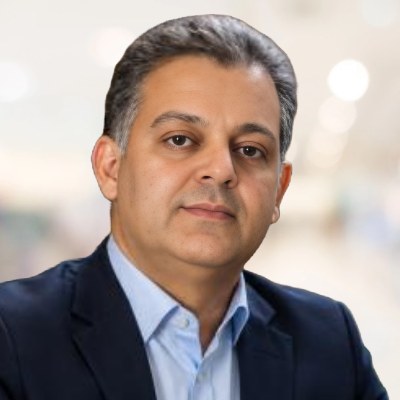
Dr. Farshid Talat is Professor of Crop Genetics and Breeding at Agricultural Research, Education and Extension Organization of Iran. Dr.Talat is deputy director general at West Azerbaijan Agricultural Research Center. He is doing research in the field of crop genetics and biotechnology for 20 years and has been teaching Genetics and Biostatistics in several universities since 1999. He has conducted extensive studies on crop breeding and plant architecture systems in Iran. Dr. Talat served as a coordinator of 46 national projects .He received his B.Sc. degree in Agronomy and Plant Breeding from Urmia University in 1997 and his M.Sc. in Plant Breeding-Biotechnology from University of Tehran in 1999. Dr.Talat received his PhD from Chinese Academy of Agricultural Sciences in Genomics on wild cotton sequencing program. He is the author of 80 national and international published papers.
View All Posts by Farshid TalatThe views and opinions expressed in this article are those of the author(s) and do not necessarily reflect the official policy or position of their affiliated institutions, the Asian Council of Science Editors (ACSE), or the Editor’s Café editorial team.


In many regional scholarly publishing communities, one question is repeatedly raised by editors, authors, and institutional l...
Read more ⟶
Graduate students taking courses on applied data analytics and process mining often work with industrial datasets that cont...
Read more ⟶
How should we report a warning that artificial intelligence could end humanity within a few years? Paying attention seems...
Read more ⟶